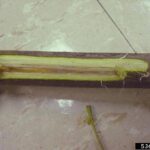
This article is not meant to raise an alarm for a new, deadly tree disease. Rather, I wish to increase your awareness of a disease that has been around for a long time. According to Purdue experts, it is one of the most common and destructive diseases of woody ornamental plants in the Midwest. John…Read more about Disease May Cause Wilting and Eventual Death of Certain Trees and Shrubs[Read More]
Resources for landscapes and gardens in the Midwest
Landscape Report
plant disease
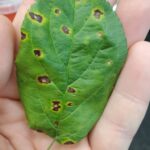
Rosaceous plants are fairly disease prone and it can be fairly hard to keep them healthy and clean in the landscape, especially without applying large quantities of fungicide. One of the more common diseases we see on apple, crabapple, and ornamental pear is fire blight, caused by Erwinia amylovora, that causes significant damage to susceptible…Read more about Black rot, stem canker, and frogeye, Oh My!: Black rot of Apple and Friends[Read More]
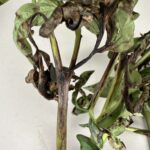
Bacterial blight is a disease of peony caused by the bacterium Xanthomonas. The disease begins as angular necrotic lesions with a red-purple border that can expand over time to blight or kill large areas of leaf tissue (Fig 1, Fig 2). If the bacterium spreads to the stems, it can lead to entire stem dieback…Read more about Bacterial Blight of Peony[Read More]

Have you ever touched a pine tree then picked something up – anything – and not be able to put it down? It is now semi-permanently glued to your hand from the sticky resin produced by the tree. If you manage to extricate the object from your hand, you will need industrial strength cleaner with…Read more about Help! My conifer is bleeding![Read More]

Many of the leaf spot diseases we observe can cause premature leaf drop in affected plants, which can reduce plant vigor if the disease is severe enough and a large proportion of the canopy falls in one season. Elm trees are susceptible to a number of different anthracnose fungi, including Ophiognomonia intermedia, Gloeosporium betulae, Cryptocline…Read more about Cryptocline leaf spot (anthracnose) of Elm[Read More]

Purple coneflower, Echinacea purpurea, is an old native standby that can thrive even in some difficult landscapes. With beautiful purple flowers and the ability to reseed and fill an area, it has been used widely, especially in gardens comprised primarily of native plants; however, they are not without their problems. We sometimes see some fungal…Read more about When purple coneflowers are not purple: Aster Yellows and Eriophyid mites[Read More]
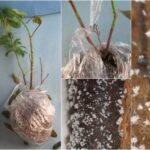
Plants that show little growth, are stunted, or are wilted and in active decline are all hallmarks of root stress. Some of the more prominent pathogens that cause root rot include Fusarium, Phytophthora, Pythium, and Rhizoctonia, but there is another fungus which can cause just as much damage in the right situation that does not…Read more about Cylindrocladium Root Rot[Read More]
Sign-up to receive email news and alerts from Purdue Landscape Working Group:

This is US

For More Information

Purdue Home Page

Purdue Extension

Find your county office