
Cut flower production continues to expand rapidly across Indiana, with many farms adding flowers as a high-value crop, an agritourism attraction, or a way to diversify their operations. To better support growers in this emerging sector, Purdue Extension launched a new project to better serve Indiana Cut Flower Farmers, funded by Purdue’s AgSEED program. One…Read more about Free Diagnostic for Cut Flower Samples[Read More]
Resources for landscapes and gardens in the Midwest
Landscape Report
Entomology
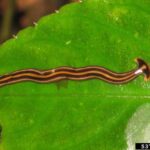
When talking about invasive species, specialists are most commonly talking about some kind of plant or insect that is making an impact on landscape plants, soil, or hardwood. Most of these species are relatively easy to understand, with a biology that typically resembles that of a native counterpart. Wood-boring insects, vining plants, and fast-growing shrubs…Read more about Keep an eye out for hammerhead worms![Read More]
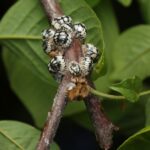
Scale insects are some of the most common pests sent in for identification from homeowners, arborists, and nurseries. This series will highlight some of the most frequently encountered scales in our region with an emphasis on their identification, biology, potential for damage, and control options. Scales are a type of ‘True Bug’ (Order Hemiptera) and…Read more about Scale Spotlight: Introduction to common scale pests and their management[Read More]
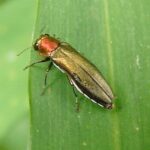
We are often the bearers of bad news when a new exotic insect species is discovered in Indiana. This time, however, we have some good news to share. Agrilus smaragdifrons, a beetle that feeds exclusively on Tree-of-Heaven (Ailanthus altissima), was detected in Indiana last year in Allen County. You might notice that this beetle belongs…Read more about Beetle that attacks Tree-of-Heaven found in Indiana[Read More]
Fall has arrived! The beautiful foliage that we love to admire this time of year will soon become the yearly chore of managing fallen leaves. You have likely heard the adage “leave the leaves” many times by now. This practice is gaining traction along with many other pollinator-friendly landscape management tactics, such as saving dead…Read more about Leave the leaves – bugs are sleeping![Read More]
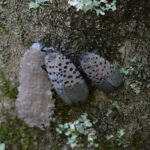
As emerald ash borer reached its highest populations throughout the landscape in Indiana, Purdue University, partnered with other organizations, helped to spread several messages intended to engage the public in helping limit the movement of the insect. Readers may recall one such message in the form of bumper stickers with the phrase, “Don’t Move the…Read more about October is Firewood Awareness Month![Read More]
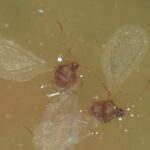
Christmas tree growers have been struggling with an invasive scale pest called Cryptomeria scale (Aspidiotus cryptomeriae), which is a serious pest of conifers. The scales infest the undersides of the needles and extract plant juices with their piercing-sucking mouthparts. Economic losses are due to the unsightly yellow discoloration and needle drop that occurs from the…Read more about Cryptomeria scale on Christmas trees[Read More]
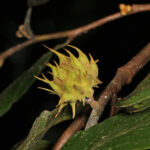
Aphids are some of the most common insect pests of herbaceous plants and broadleaf trees and shrubs. I have to admit, I do not always enjoy identifying aphids – but I find their shapes, colors, and biology fascinating. One species of aphid, which I first met myself this year, threatens plants in our landscapes on…Read more about This aphid is a double threat to the landscape[Read More]

Purple coneflower, Echinacea purpurea, is an old native standby that can thrive even in some difficult landscapes. With beautiful purple flowers and the ability to reseed and fill an area, it has been used widely, especially in gardens comprised primarily of native plants; however, they are not without their problems. We sometimes see some fungal…Read more about When purple coneflowers are not purple: Aster Yellows and Eriophyid mites[Read More]
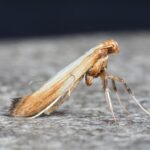
Many Hoosier landscapes include flowering plants known as beardtongue or simply by its scientific name, Penstemon. This is the largest genus of flowering plants that is endemic to North America, with some 280 species spread throughout the continent – at least 11 of which are native to Indiana. Many of the cultivars planted in gardens…Read more about Is your Penstemon stem swelling? It’s probably a moth![Read More]
Do your landscape plants have cankers, mosaics, galls, mummies, or witches’ brooms? These and other symptoms are often difficult for the average homeowner to understand, let alone visualize. Purdue Extension staff can often assist with diagnosing plant diseases. Additionally, Purdue Extension specialists Janna Beckerman (retired) and Tom Creswell authored the publication, “Symptoms and Signs for…Read more about Plant Disease Symptoms You Could Notice in Your Home Landscape[Read More]
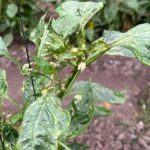
Nursery growers and landscapers should stay vigilant for an invasive thrips that is moving across the USA. Thrips parvispinus was first detected in Florida in 2020. It has since spread through Georgia and the Carolinas, and has been detected in Colorado, Ohio, Pennsylvania, and Delaware. It is not known to occur in Indiana, but growers…Read more about Invasive Thrips to Watch for in the Nursery and Landscape[Read More]

Yews are widely used as foundation plantings in many areas and are valued for their dark, evergreen foliage. The most widely used landscape yews are Japanese yew (Taxus cuspidata) and Taxus x media hybrids, such as Hicksii or Wardii Yew. While few diseases and insects attack yew, there are a few problems to watch for….Read more about What’s Killing My Yews? Top Problems and How to Prevent Them[Read More]
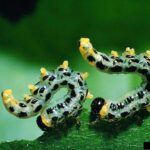
Sawflies are frequent pests in the landscape that attack a wide variety of plants, from ornamental flowers to large trees. You might start to see them damaging plants around this time of year as the first generations hatch and begin to feed on foliage. They are often mistaken for caterpillars, which are the larval stages…Read more about Sawflies: the caterpillar pests that are not caterpillars[Read More]
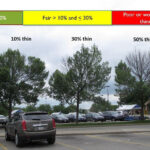
Recently, there has been an uptick in questions related to one of Indiana’s most notorious invasive pests: the emerald ash borer. Homeowners, businesses, even professionals have asked if ash trees are still present in Indiana, and if the insect is still a threat to our ecosystem. Emerald ash borer wreaked significant havoc among Indiana’s hardwoods,…Read more about Revisiting Ash Tree Protection[Read More]
The bitter winter cold has finally passed us (or has it? It’s hard to tell in the Midwest)! The days are getting warmer and longer, and that means the insects are coming out of their overwintering stages. As you prepare for your landscaping and gardening this year, are you implementing preventative measures for pests? Now…Read more about Insects are waking up – are you prepared?[Read More]
As the growing season winds down and cooler temperatures approach (despite today’s unseasonable 81 degrees F), many beneficial bugs begin searching for their winter hideaways. While many people see fallen leaves as just more plant waste to dispose of, some of our beneficial bugs see a cozy bed to bundle up in for the winter….Read more about Huddle Up and Hunker Down: The Winter Life of Beneficial Bugs[Read More]
Recently, white prunicola scales (Pseudaulacaspis prunicola) were detected on Prunus during a DNR nursery inspection. This is a significant scale pest of woody ornamentals and fruit trees in eastern states, but it is currently not established in Indiana. It is primarily a pest of cherry, lilac, and privet species. Its total reported host range spans…Read more about Non-native armored scales[Read More]
The elm zigzag sawfly (EZS), Aproceros leucopoda, is a non-native insect recently detected in several midwestern states. Originally from eastern Asia, this insect is rarely considered a problem in its native range, having several natural enemies and environmental factors able to keep it in check. However, when in new landscapes, aspects of this insect’s life…Read more about A New Threat to Elms in North America[Read More]
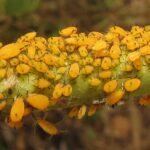
Milkweed is a popular choice in urban landscapes as more citizens engage with monarch conservation efforts and strive to maintain pollinator-friendly landscapes. This past month I have seen numerous images of aphids found on milkweed plants from all over the state. Homeowners are concerned that the infestation will negatively affect the monarch butterflies that rely…Read more about What are these small yellow bugs on my milkweed?[Read More]
Sign-up to receive email news and alerts from Purdue Landscape Working Group:

This is US

For More Information

Purdue Home Page

Purdue Extension

Find your county office