Indiana summers are often hot and dry, creating challenging conditions for many landscape plants. Fortunately, some flowers are naturally suited to these conditions. Once established, the following flowers continue to grow and bloom with little supplemental irrigation, making them excellent choices for low-maintenance landscapes.
Coneflower – Echinacea spp. (Figure 1)
Coneflower is an herbaceous perennial that grows 3 to 4 feet tall in full sun. This Indiana native blooms from early summer into fall and attracts a variety of bees and butterflies. If left standing through winter, the seed heads provide food for songbirds, including the American Goldfinch.
Potential problems: Coneflowers are generally low maintenance but may occasionally develop aster yellows or powdery mildew, or fall prey to Japanese beetles. Good air circulation and avoiding overhead irrigation can help reduce disease pressure.
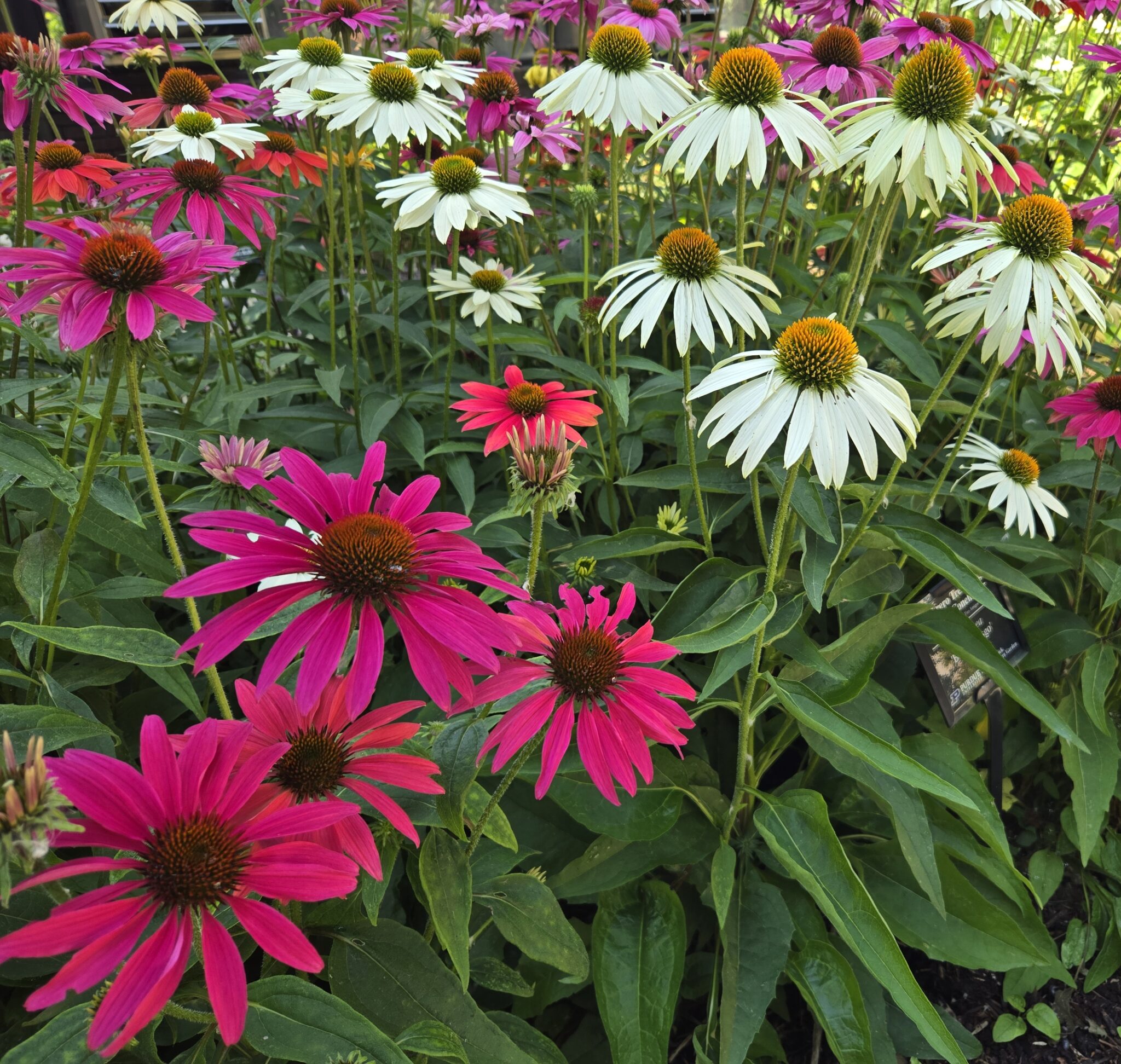
Figure 1. White, pink, and purple coneflower cultivars add long-lasting color through the summer while attracting pollinators.
Angelonia – Angelonia angustifolia (Figure 2)
Often called summer snapdragon, angelonia is a heat-loving annual that thrives during Indiana’s hottest months. Plants typically grow 12 to 24 inches tall and produce spikes of purple, pink, white, or blue flowers from late spring until frost. Unlike traditional snapdragons, angelonia continues to perform well through heat and humidity with minimal care. Angelonia prefers full sun and well-drained soil. Its upright growth habit makes it ideal for containers and borders.
Potential problems:
Root rot may occur in poorly drained soils. Aphids and spider mites can occasionally become problematic during periods of stress.
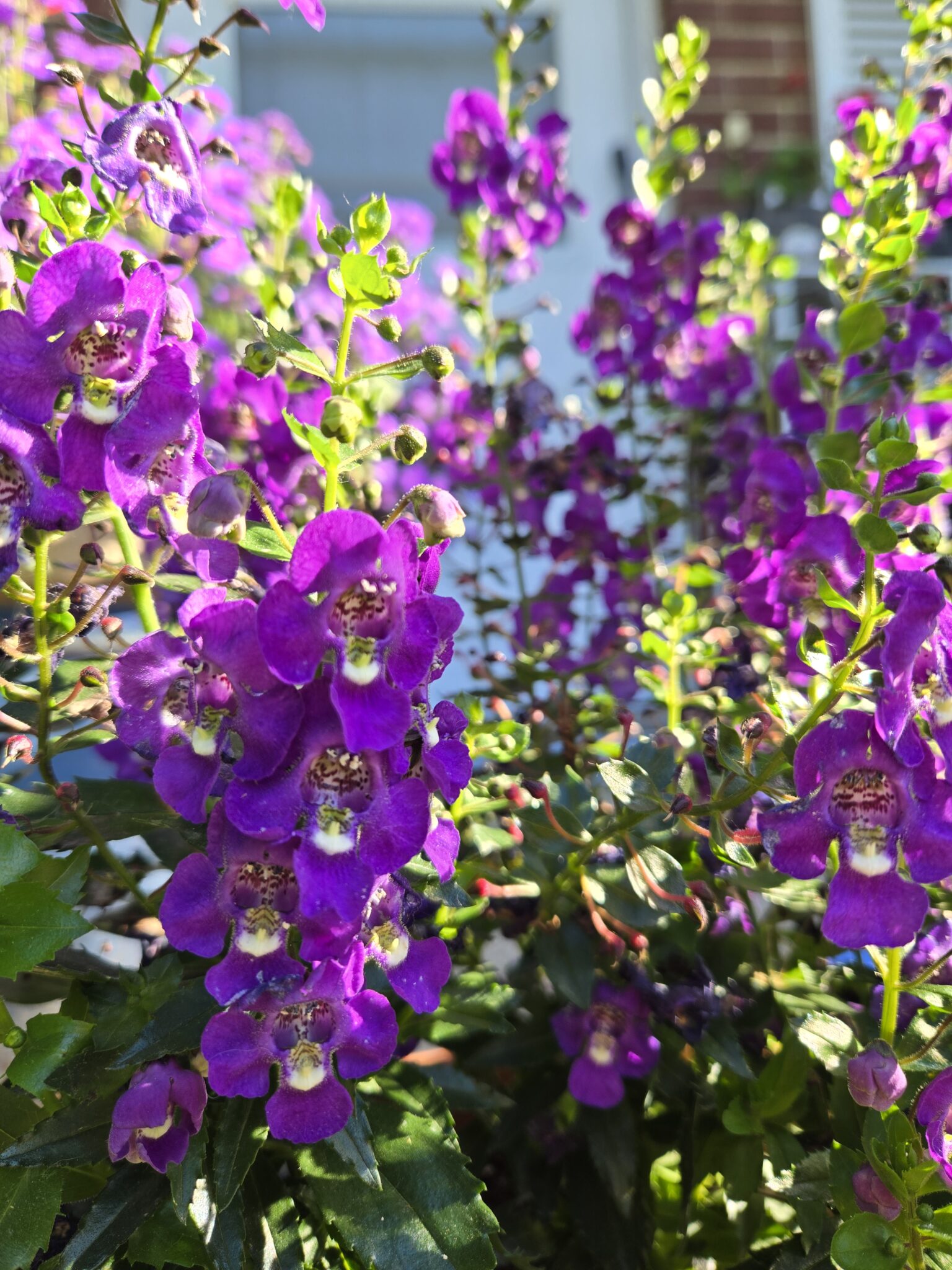
Figure 2. The nectar-rich flowers of angelonia attract pollinators while providing continuous color through the summer.
Yarrow – Achillea spp. (Figure 3)
Yarrow is a hardy perennial prized for its fern-like foliage and flat-topped flower clusters that bloom throughout summer. Available in shades of yellow, red, pink, orange, and white, it typically grows 2 to 3 feet tall and thrives in full sun and well-drained soils.
Potential problems:
Overly fertile soils or excessive irrigation may cause stems to flop. Yarrow is relatively pest resistant but may occasionally develop powdery mildew or stem rot during humid conditions, particularly where air circulation is poor.
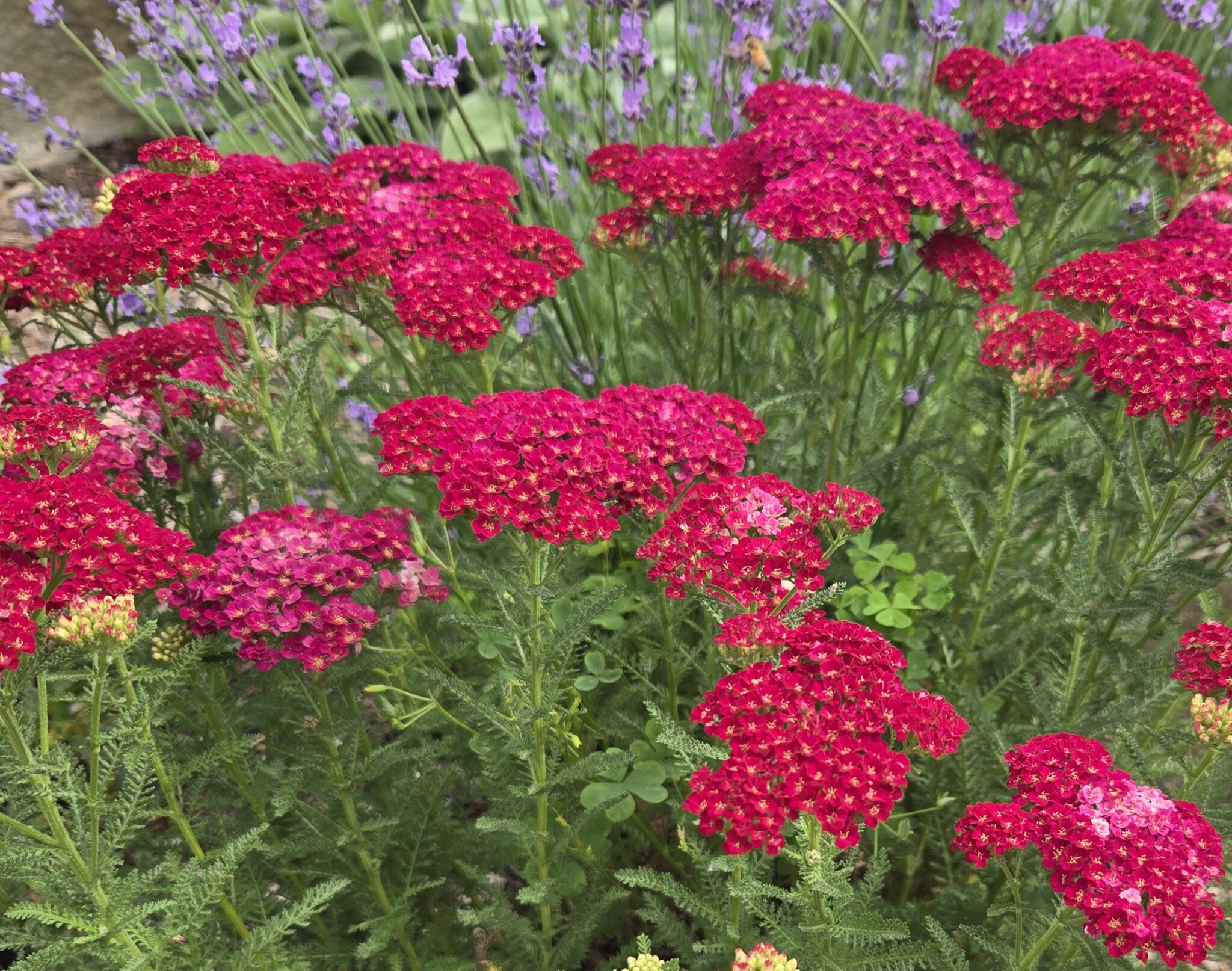
Figure 3. This ‘Pomegranate’ yarrow produces showy clusters of red flowers and performs well in full sun and well-drained soils.
Penstemon Beardtongue – Penstemon spp. (Figure 4)
Penstemon is a durable perennial known for its upright growth habit and spikes of tubular, nectar-rich flowers that attract a wide range of pollinators. Growing 3 to 5 feet tall, it performs best in full sun and well-drained soils. Cultivars offer a variety of flower and foliage colors, making penstemon a versatile addition to the landscape.
Potential problems: Penstemon experiences few serious pest or disease issues. Root rot may occur in poorly drained soils, and excessive fertility can lead to weak stems and reduced flowering.
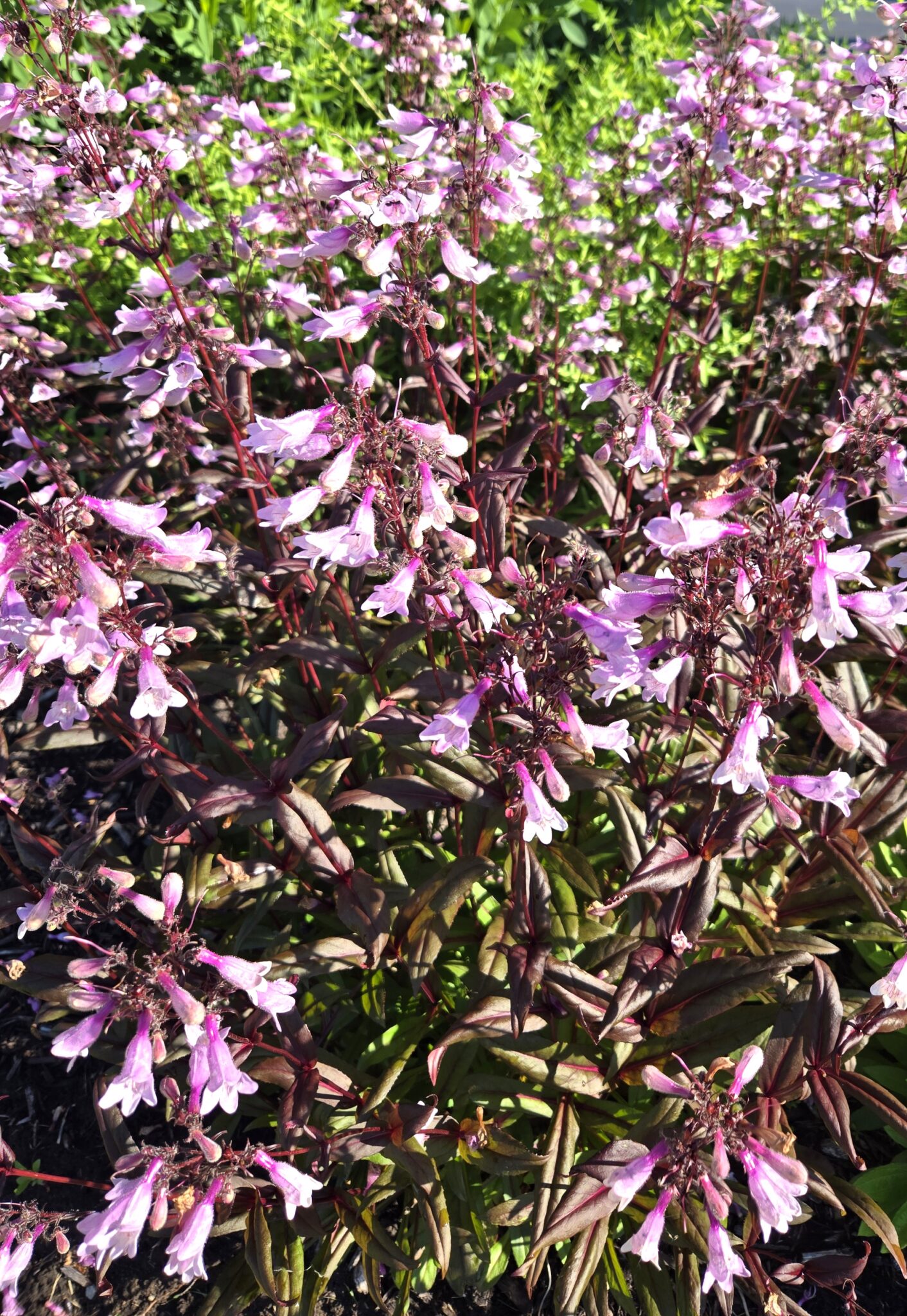
Figure 4. ‘Midnight Masquerade’ penstemon has dark foliage and spikes of soft pink flowers, providing color and contrast all season long.
Sedum – Sedum spp. (Figure 5)
Sedums, also known as stonecrops, are among the most reliable drought-tolerant perennials for Indiana gardens. Available in both upright and groundcover forms, they offer succulent foliage and clusters of flowers that attract pollinators throughout the growing season. Upright varieties such as ‘Autumn Joy’ provide sturdy stems topped with pink flower clusters that deepen to bronze as the season progresses. Low-growing sedums, including the Indiana native wild stonecrop (Sedum ternatum), spread slowly and work well in rock gardens and borders.
Potential problems: Sedums experience few significant pest issues but may occasionally develop crown rot in overly wet soils. Slugs can also damage young growth during wet springs.
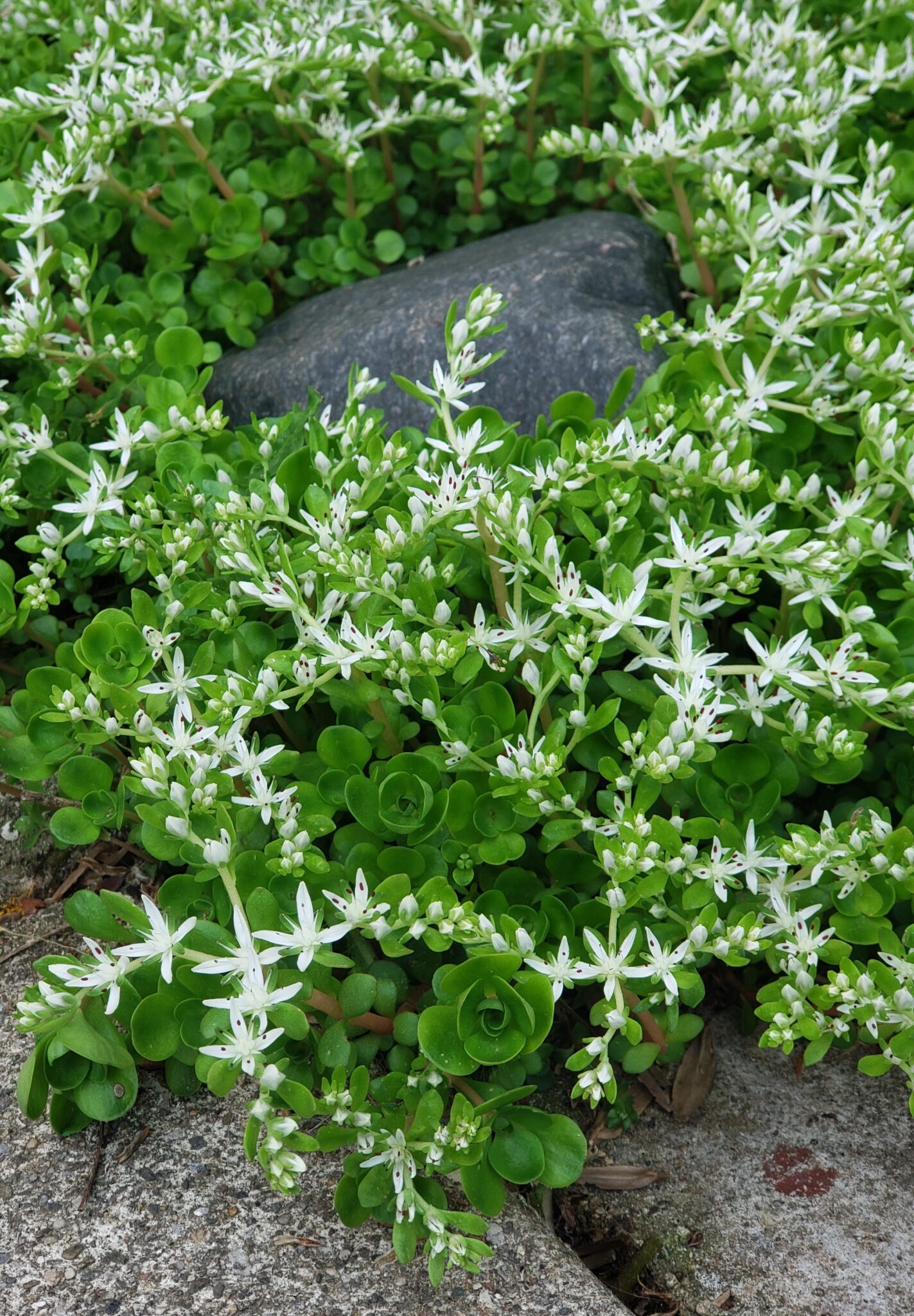
Figure 5. Wild stonecrop (Sedum ternatum) is an Indiana native groundcover that spreads slowly and produces small, star-shaped white flowers in spring and early summer.
Tips for Establishing Drought-Tolerant Plants
Even drought-tolerant plants need regular irrigation while their roots become established. Water deeply but infrequently to encourage roots to grow deeper into the soil. Applying 2 to 3 inches of organic mulch helps conserve soil moisture and suppress weeds. Choosing plants adapted to the site conditions reduces maintenance and helps create a resilient landscape that can withstand Indiana’s summer heat and periodic drought.