Do your landscape plants have cankers, mosaics, galls, mummies, or witches’ brooms? These and other symptoms are often difficult for the average homeowner to understand, let alone visualize. Purdue Extension staff can often assist with diagnosing plant diseases. Additionally, Purdue Extension specialists Janna Beckerman (retired) and Tom Creswell authored the publication, “Symptoms and Signs for…Read more about Plant Disease Symptoms You Could Notice in Your Home Landscape[Read More]
Resources for landscapes and gardens in the Midwest
Landscape Report
disease
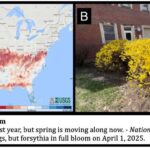
Excessive and in some cases, abusive rainfall amounts; keys to soggy turfgrass management; winter injury potential causes and recovery, red thread, spring golf disease prevention Weather Spring, which officially started on March 20, is rolling along, and into mid-April temperatures in the region are ahead of statistical normal, but lagging somewhat behind last year. I…Read more about Purdue Turfgrass Disease Report: Muddy Waters[Read More]
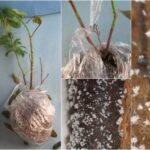
Plants that show little growth, are stunted, or are wilted and in active decline are all hallmarks of root stress. Some of the more prominent pathogens that cause root rot include Fusarium, Phytophthora, Pythium, and Rhizoctonia, but there is another fungus which can cause just as much damage in the right situation that does not…Read more about Cylindrocladium Root Rot[Read More]
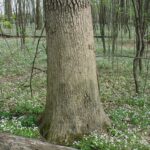
These oak trees are showing the symptoms of smooth patch (Figures 1, 2, 3). This condition is the result of a fungal infection that is restricted to the outer bark, causing it to slough off. The bark layer remaining is smoother and lighter in color than uninfected, normal bark. Patches can vary from a few…Read more about Smooth Patch of Oak[Read More]
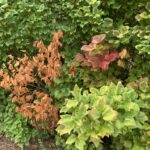
Dieback and canker diseases caused by Botryosphaeria, Sphaeropsis, Diplodia and other closely related fungal pathogens are exceptionally common on woody landscape plants. This group of diseases are often referred to collectively as Botryosphaeria diseases and this article will follow that convention to discuss them as a group. Examine any mature oak tree long enough and…Read more about Botryosphaeria Dieback and Canker[Read More]
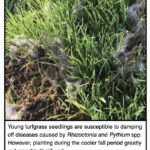
Summer 2024 was a stressful season for lawns in Indiana and throughout the region. Temperatures often spiked to uncomfortable levels, particularly towards the end of August, and were accompanied by either sweltering humidity or an abrupt halt to rainfall. Diseases such as brown patch on tall fescue were prevalent and leaf spot/melting out diseases on…Read more about Disease Worries on Lawn Seed and Seedlings?[Read More]
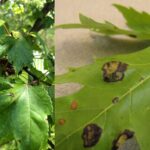
The past two months have been relatively wet and cool to warm. This prolonged period of overcast conditions, high humidity, and light to moderate rainfall is perfect for some of our foliar disease issues. “April flowers bring May Leaf spots” doesn’t have the right ring to it, but we are seeing quite a bit of…Read more about Leaf Curl and Leaf Blister Brought By Wet Weather[Read More]

Hydrangea L. (family Hydrangeaceae Dumort) is an all-encompassing description of a group of herbaceous and woody flowering plants, composed of more than 80 species native to Asia (including Japan), Indonesia, the Americas. Popular hydrangea species include the bigleaf hydrangea (Hydrangea macrophylla), also known as French hydrangea, panicled (peegee) hydrangea (H. paniculata), oak-leaf hydrangea (H. quercifolia) and mountain hydrangea (H. serrata). Hydrangea…Read more about Viruses of Hydrangea[Read More]

Inonotus dryadeus is one of the more common wood decay fungi we receive at the diagnostic lab in association with declining trees, specifically oaks. Inonotus is found so frequently on oaks it has the common name oak bracket fungus, but it can cause root rot of a number of other hardwood trees (including maples, sweet…Read more about Inonotus Dryadeus – butt and root rot of oaks[Read More]
Sign-up to receive email news and alerts from Purdue Landscape Working Group:

This is US

For More Information

Purdue Home Page

Purdue Extension

Find your county office