Following a recent tornado in Monroe County, an Indiana homeowner noticed something remarkable among the storm damage. More than 30 trees, including walnut and butternut, were either uprooted or snapped. Yet several mature shagbark hickory trees stood largely untouched amid the destruction.
This observation prompted an interesting question: Is there something about shagbark hickory trees that makes them more resistant to tornadoes and high winds than other hardwood trees?
Answer: While every storm is different and no tree species is completely tornado-proof, the observation aligns with what foresters and arborists know about hickory wood.
Shagbark hickory (Carya ovata), along with other hickory species, is among one of the stronger trees native to Indiana. Because of its strength and shock-absorbing quality, hickory is a prime choice for tool handles and baseball bats as well as solid wood furniture and flooring.
Shagbark hickory is famous for more than its distinctive peeling bark. The wood itself possesses exceptional mechanical properties. Hickory wood combines:
- High strength
- Notable elasticity
- Superior shock resistance
- High density
Together, these properties give hickory exceptional toughness – the capacity to absorb and redistribute energy before fracturing. This means its stems and branches may bend under wind loading rather than fail as abruptly as wood with lower toughness. For that reason, hickory has long been valued for products subjected to repeated impacts. Traditional axe and sledgehammer handles, drumsticks, and baseball bats have often been made from hickory because it can absorb shock and withstand repeated bending stress without breaking as readily as many other hardwoods.
Healthy Trees:
Healthy trees with vigorous growth and little decay generally withstand stress better than weakened trees. This is one reason why it is important to evaluate your trees before severe weather and storm season arrives. Identifying structural defects, dead branches, decay, or other potential hazards can help reduce the risk of tree failure during high wind events.
Great Resource from The Education Store, Purdue Extension’s resource center:
Publication: Tree Defect Identification
Contact a Certified Arborist:
Consulting a certified arborist can help determine whether a damaged tree remains safe and healthy.
Find an Arborist, Trees are Good-International Society of Arboriculture (ISA)
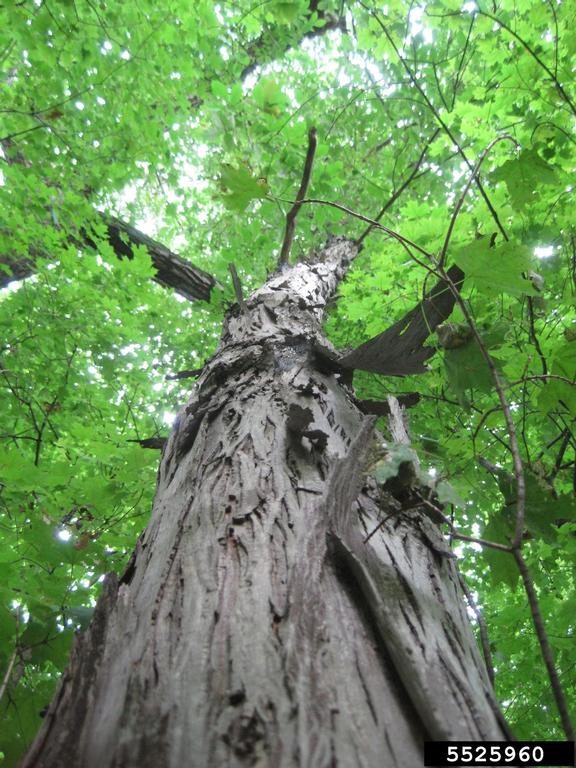
Figure 1: Shagbark Hickory Photo from Rob Routledge, Sault College, Bugwood.org
t