Homeowners often think about their lawns in the spring, when it’s time to pull out the mower for the first time and dandelions begin showing off their blooms. As a result, inputs such as fertilizer, seed, and pesticides are often applied during the spring months.
Cabin fever doesn’t help. After being cooped up all winter, many people are eager to get outside, enjoy some fresh air, and start working in the yard. While there are certainly lawn-care practices that are best done in the spring, such as crabgrass prevention, there are also several things that can be done in the fall to improve lawn health over time, and potentially save you money.
1. Fertilizing
Applying nitrogen in the fall promotes root growth at a time when turfgrass is preparing for winter. During this period, the plant focuses on collecting and storing energy that will help it survive the winter and thrive the following spring. In contrast, turfgrass naturally experiences a flush of growth in the spring. Adding fertilizer during this period can encourage even more rapid growth, which may result in more frequent mowing and additional maintenance.
If you plan to fertilize only once a year, consider making the application between September and November, depending on soil and air temperatures. For two annual applications, September and November are good target periods. If you plan to make three applications, consider making two split applications in the fall and one in the spring. A rule of thumb is to not apply more than 1 lb./Nitrogen per 1,000 square feet per application.
Resources:
Fertilizing Established Cool-season Lawns
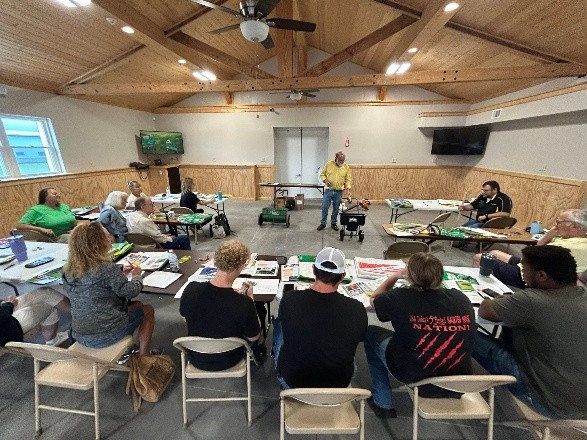
Figure 1 Fertilizer training: Photos by Geoff Schortgen
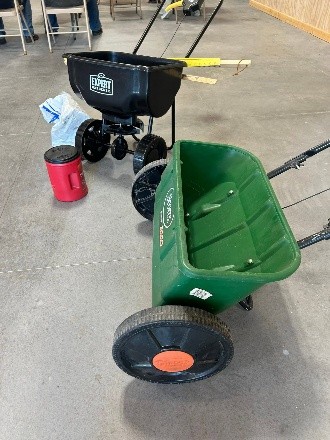
Figure 2: Rotary Spreaders
2. Weed Control & Herbicide Application
In lawns, we are often dealing with perennial weeds that are difficult to remove due to high populations and hardy root structures, think about the dandelion. For perennial broadleaf weeds, a fall application of broad-leaf herbicide uses the natural net movement of water and nutrients down to the root to help deliver that product to the root structures and get better control.
Resources:
Common Weed Profiles
Control of Broadleaf Weeds in Home Lawns
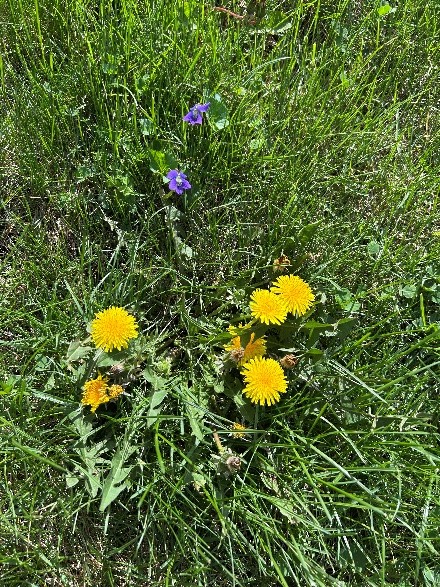
Figure 3: Dandelion and Violet: Photos by Geoff Schortgen
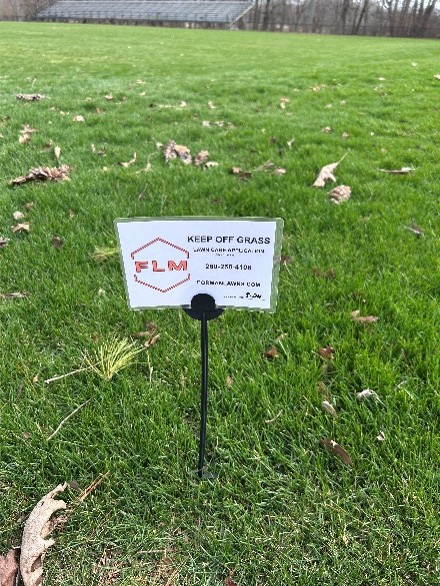
Figure 4: Lawn signage after application
3. Reseeding
When lawns naturally thin out or become stressed during the summer, reseeding can be an effective way to restore turf density. Reseeding is generally recommended when 50% or more of an area is bare, but that does not mean you cannot reseed when more than 50% of the turf remains.
Drought and disease can create bare spots where the existing turfgrass has died and will not quickly fill back in on its own. In these situations, reseeding is often the best management practice for restoring coverage and improving the overall health and appearance of the lawn.
Resources:
Purchasing Quality Grass Seed for your Lawn
Establishing Turfgrass Areas from Seed
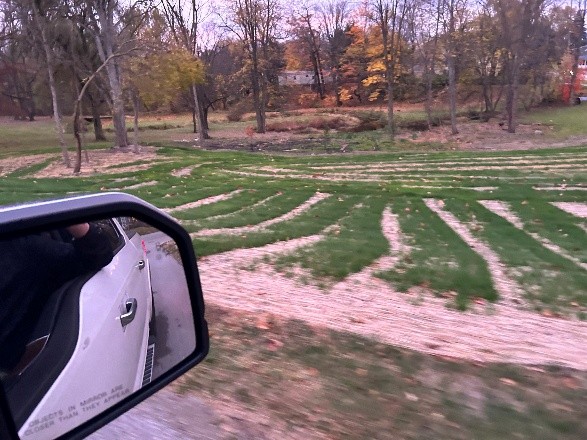
Figure 5: Make sure when seeding that you are getting good coverage. Photo by Geoff SchortgenAerification and Dethatching
4. Aerification and Dethatching
Soil and air temperatures and moisture are usually ideal for lawns to be healthy. With enough moisture and cooler temperatures our lawns typically don’t have many stresses. This means that aerification or pulling cores is ideal during the fall. Aerification opens up the soil and promotes water and air infiltration, which in turn promotes healthy roots. Aerification also helps reduce compaction of the soil. Top dressing with topsoil or sand is another way to help improve the soils when working with clay or heavy soils.
Soil and air temperatures and moisture are usually ideal for lawns to be healthy. With enough moisture and cooler temperatures our lawns typically don’t have many stresses. This means that aerification or pulling cores is ideal during the fall. Aerification opens up the soil and promotes water and air infiltration, which in turn promotes healthy roots. Aerification also helps reduce compaction of the soil. Top dressing with topsoil or sand is another way to help improve the soils when working with clay or heavy soils.
Resources:
Mowing, Dethatching, Aerifying and Rolling Turf
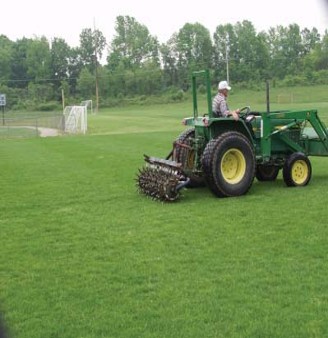
Photo by Zac Reicher
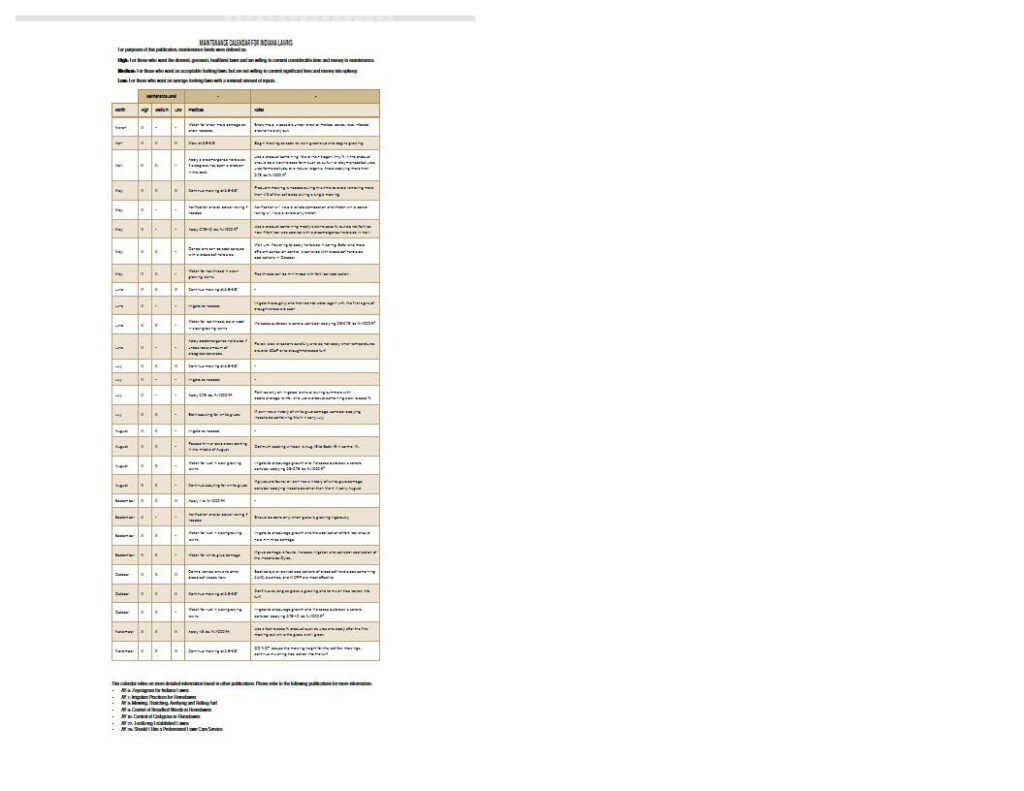
In summary, fertilizing, weed control, reseeding and aerification are excellent practices to do to your lawn during the fall months. Purdue University has many resources to help maintain a lawn, and what to do when. For more information check out the Maintenance Calendar for Indiana Lawns . This calendar was produced by Zach Reicher and Clark Throssell-Past Purdue University Turfgrass Specialist see below for recommendations during fall months.