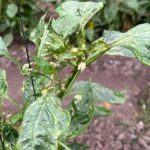
Nursery growers and landscapers should stay vigilant for an invasive thrips that is moving across the USA. Thrips parvispinus was first detected in Florida in 2020. It has since spread through Georgia and the Carolinas, and has been detected in Colorado, Ohio, Pennsylvania, and Delaware. It is not known to occur in Indiana, but growers…Read more about Invasive Thrips to Watch for in the Nursery and Landscape[Read More]
Resources for landscapes and gardens in the Midwest
Landscape Report
nursery
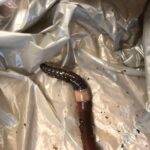
It’s that time again! With the arrival of warm temperatures and increased rainfall, many of us are getting to work on our lawns, gardens, and landscaping. Unfortunately, this often comes with discovering what new (or old) invasive species are here to haunt us. So far this year, the invasive I’ve gotten the most questions on…Read more about Asian Jumping Worms: How to ID this soil pest[Read More]
Schneider Nursery is hosting the “Women of the Green Industry” on Thursday, June 19th from 12pm-3 pm. Join the Schneider family and staff for a light lunch, tour of the greenhouse and retail center, and a tour of the growing fields. Hear a brief history of Schneider Nursery from family members while enjoying time with your…Read more about Women of the Green Industry Nursery Tour to Be Held at Schneider Nursery[Read More]

Vascular streak dieback is an emerging issue on woody ornamentals in the nursery industry. We have provided information on this topic as the situation has been unfolding (https://purduelandscapereport.org//article/vascular-streak-dieback-of-redbud-what-plant-pathologists-know-so-far/; https://indianagreenexpo.com/sessions/vascular-streak-dieback-an-emerging-issue-in-nursery-stock/). Researchers and Collaborators working on vascular streak dieback will be presenting up-to-date information during the tHRIve webinar hosted by Horticultural Research Institute on Thursday, April 11,…Read more about Webinar on Vascular Streak Dieback[Read More]

This series will highlight unique and interesting landscape plants that are not as common in the landscape. Many of these plants aren’t readily available at your local nursery or garden center. If you are interested in purchasing one of these plants, I recommend contacting your local nursery or garden center about availability. Japanese Painted…Read more about Plant Picks: Japanese Painted Fern (Athyrium niponicum var. pictum)[Read More]

Remember the pre-Christmas freeze? What about the extremely long fall? The Midwest experienced above-average temperatures through most of the winter, but those extremely cold temps in late December made for more than a few pipes to freeze in the southern part of the Midwest. The dichotomy in weather patterns over the last several years has…Read more about Cold Injury During a Very Mild Winter?[Read More]

The Indiana Green Expo is Indiana’s largest and most comprehensive Green Industry educational conference and trade show serving Indiana and the Midwest. The 2023 Indiana Green Expo (IGE) is sponsored by the Indiana Nursery & Landscape Association and the Midwest Regional Turf Foundation. Unlike some for-profit trade shows, all proceeds from the IGE are used directly to…Read more about Join us for the 2023 Indiana Green Expo[Read More]

Biology: Pineapple weed (Matricaria matricariodies), behaves as either a summer or winter annual and it is commonly found throughout the United States. It is a weed of both high- and low-maintenance turfgrass lawns, landscapes, and nursery crops. Its ability to tolerate low mowing heights and highly compacted soils allow pineapple weed to compete with in weak…Read more about Spotlight on Weeds: Pineapple weed[Read More]

Phytotoxicity is damage to plants caused by chemicals, fertilizers, or pesticides. Phytotoxicity can be a positive (killing weeds) or a negative (damage from pesticides on ornamental plants), depending on the intended results. Some of the common phytotoxic effects can show symptoms such as stunting of leaves and whole plant, necrosis (death), chlorosis (yellowing), abnormal growth…Read more about Diagnosing Phytotoxicity on Landscape Plants[Read More]

Diagnosing herbicide injury on ornamental plants can be difficult due to the sheer number of cultivated plants and the number of active ingredients used around ornamentals. Modern cultivars of ornamental plants include characteristics much different from the species, so it’s important to know ‘normal’ to properly diagnose a problem. There are several reasons that herbicide…Read more about Diagnosing Herbicide Injury on Ornamentals[Read More]

There are many age-old, philosophical questions that people have been arguing over for many years. What is the meaning of life? Nature or nurture? Do aliens exist? Should I remove the wire and burlap from B&B plant material? The last question has been debated for many years, with almost everyone having a different opinion. There…Read more about Wire Baskets: Leave them or remove them?[Read More]

The indirect effects of the pandemic are continuing to plague the Green Industry. In addition to the on-going, severe labor deficiencies that are plaguing most companies, many plants are in short supply or completely unavailable. In my recent travels, several nurseries and landscapers have discussed some of the specific issues they have been facing regarding…Read more about Green Industry Experiencing Reduced Plant Availability[Read More]

Fill in the blank: Apply crabgrass preemergence herbicide when____________is in bloom. If you said forsythia, you would be correct. Most of us have been told the answer to this for many years, but have you ever thought to yourself, ‘Is it true?’ There are many ways that people make decisions on when to apply herbicides. …Read more about Early Season Predictions: Methods to Predict Weed Emergence[Read More]
Sign-up to receive email news and alerts from Purdue Landscape Working Group:

This is US

For More Information

Purdue Home Page

Purdue Extension

Find your county office