The bitter winter cold has finally passed us (or has it? It’s hard to tell in the Midwest)! The days are getting warmer and longer, and that means the insects are coming out of their overwintering stages. As you prepare for your landscaping and gardening this year, are you implementing preventative measures for pests? Now…Read more about Insects are waking up – are you prepared?[Read More]
Resources for landscapes and gardens in the Midwest
Landscape Report
boxwood

Blight, Leafminers, and Moths: The Plight of Boxwoods Boxwoods (Buxus spp.) were introduced into the United States during colonial times, and still today they are one of the most popular evergreen shrubs used in landscapes. They are frequently selected for hedges and topiaries because they are easily trimmed into geometric shapes. They were also easy…Read more about Blight, Leafminers, and Moths: The Plight of Boxwoods[Read More]

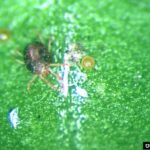
Mites are eight-legged arthropods who pierce plant cells to feed on them. Plants that are attacked by mites lose their green color and appear somewhat bronzed. Spider mites will make webs to help them forage on leaves unencumbered by irregular leaf surfaces. The accumulation of webs, and old skins of mites can give heavily infested…Read more about Tune up Your Spider Mite Management This Fall[Read More]

One of the most common diseases found on boxwoods is Volutella blight and dieback, caused by the fungi Pseudonectria foliicola and P. buxi. Both fungi are considered weak pathogens, always around but not causing much damage until plants are injured or stressed, rarely infecting otherwise healthy plants. Volutella blight alone usually doesn’t kill boxwoods, but…Read more about Volutella Blight and Dieback of Boxwood[Read More]
Sign-up to receive email news and alerts from Purdue Landscape Working Group:

This is US

For More Information

Purdue Home Page

Purdue Extension

Find your county office