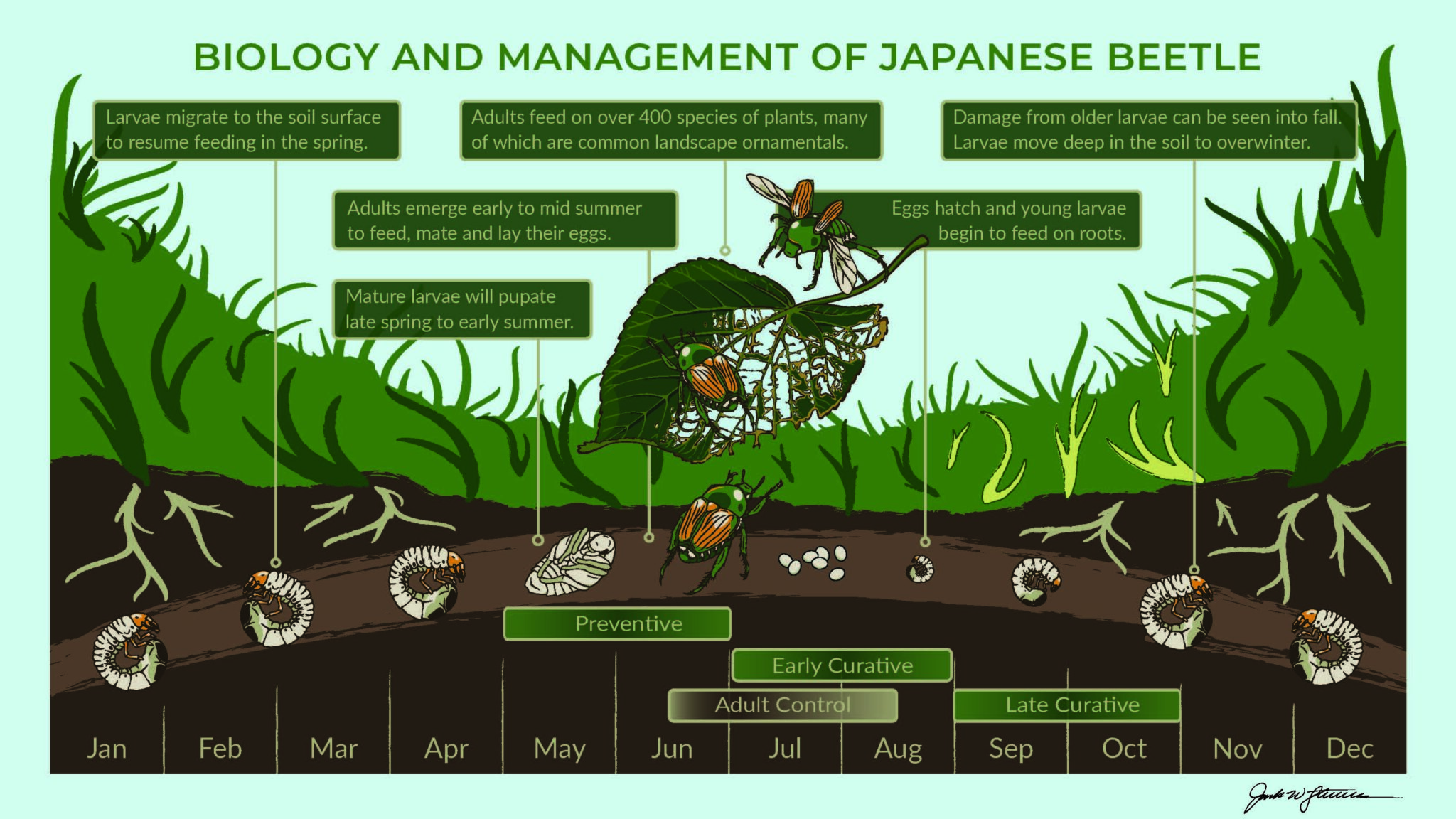
Fig. 1 Life cycle and treatment timing of Japanese beetles, Photo Credit Doug Richmond
The Japanese beetle, Popillia japonica, has long been a major pest of gardens, crops, lawns, and landscaped environments throughout the United States. Originally detected at the World’s Fair in 1916, this insect is believed to have been accidentally introduced through nursery stock. Since then, the Japanese beetle was discovered in Indiana in the early 1930s and has spread like wildfire through almost every growing system in the Hoosier state. It’s rare to meet someone who hasn’t experienced the damage they cause or has a story to tell of how they lost a crop to this invasive species.
Identification of Japanese beetle is relatively easy, though the insect does bear significant resemblance to related species. As a scarab, this beetle has similar body shape to other members of its family, including pest species such as chafers and June beetles. Japanese beetle can be identified by their metallic green head and thorax paired with shiny, copper-like elytra, or wing covers. They also possess five distinct tufts of white hair that stick out to the sides of the insect. The beetles are roughly half an inch in length and oval-shaped. The immature larvae of the Japanese beetle look much like other white grubs; thick, C-shaped bodies that live a few inches under the soil surface. Identification of grubs requires checking the rastral pattern, or pattern of hair, at the posterior of the body.
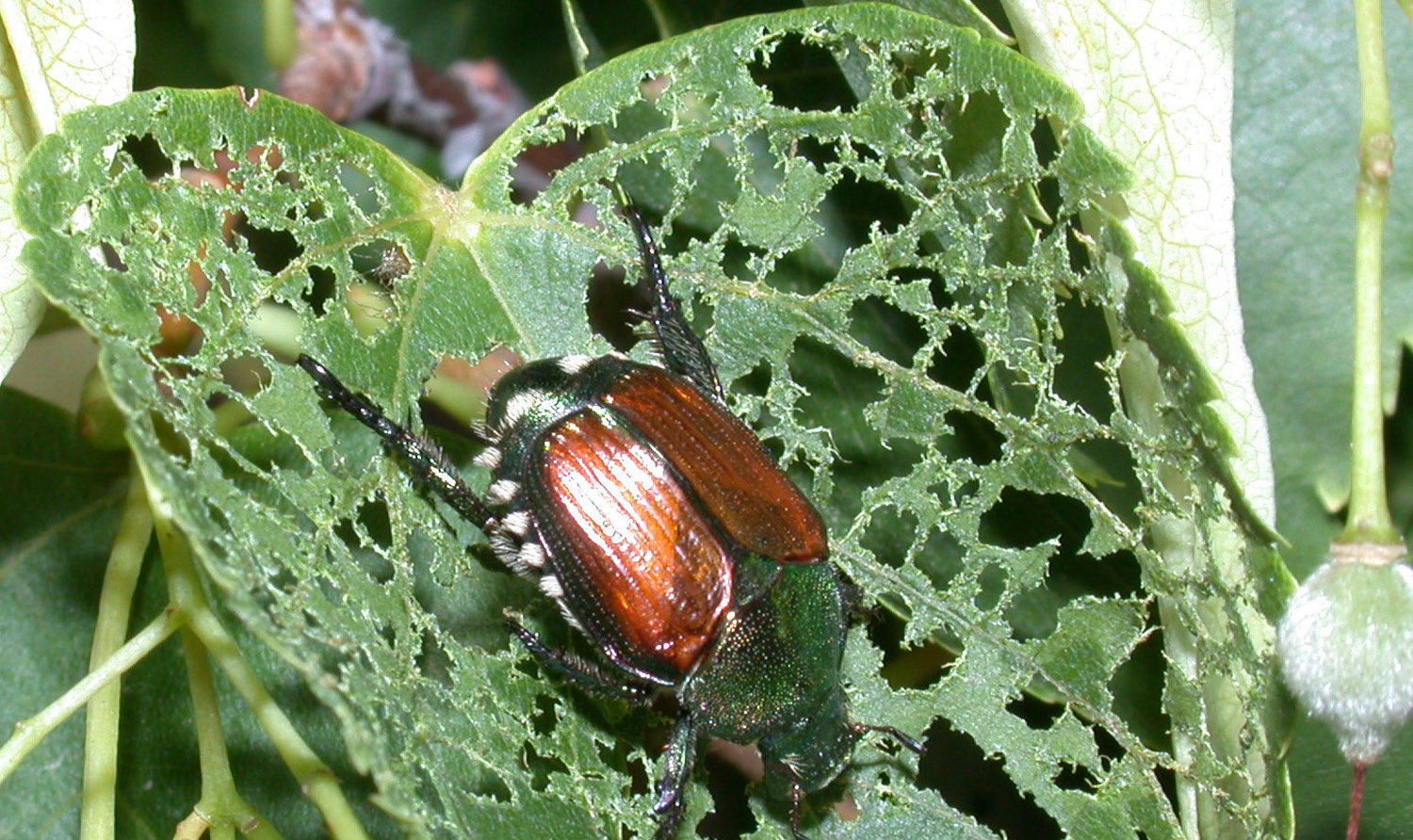
Fig 2. Adult Japanese Beetle, photo credit Doug Richmond
As its name indicates, the Japanese beetle is a native to Asia and lacks the status as a pest in its home environment. In the United States, however, this beetle is well-known for being damaging in both adult and larval stages throughout much of the summer season. Understanding the life cycle of this insect can improve treatment plans and save time and money when treating them. Adult beetles will begin appearing in early June, feeding on a broad host range that includes over 400 different species of plants. Once mated, female beetles will burrow a short distance into the soil and deposit eggs in small groups. Larvae, or grubs, will hatch out in after two weeks, or roughly the last two weeks of July. The grubs will develop in the first few inches of soil consuming the roots of grass, potentially causing severe damage to lawns and similar environments. As they continue to develop, grubs will move deeper into the soil to begin pupation over the winter season, eventually emerging as adults in the early summer. In Indiana, Japanese beetles only have a single generation per year, and adults do not survive winter temperatures.
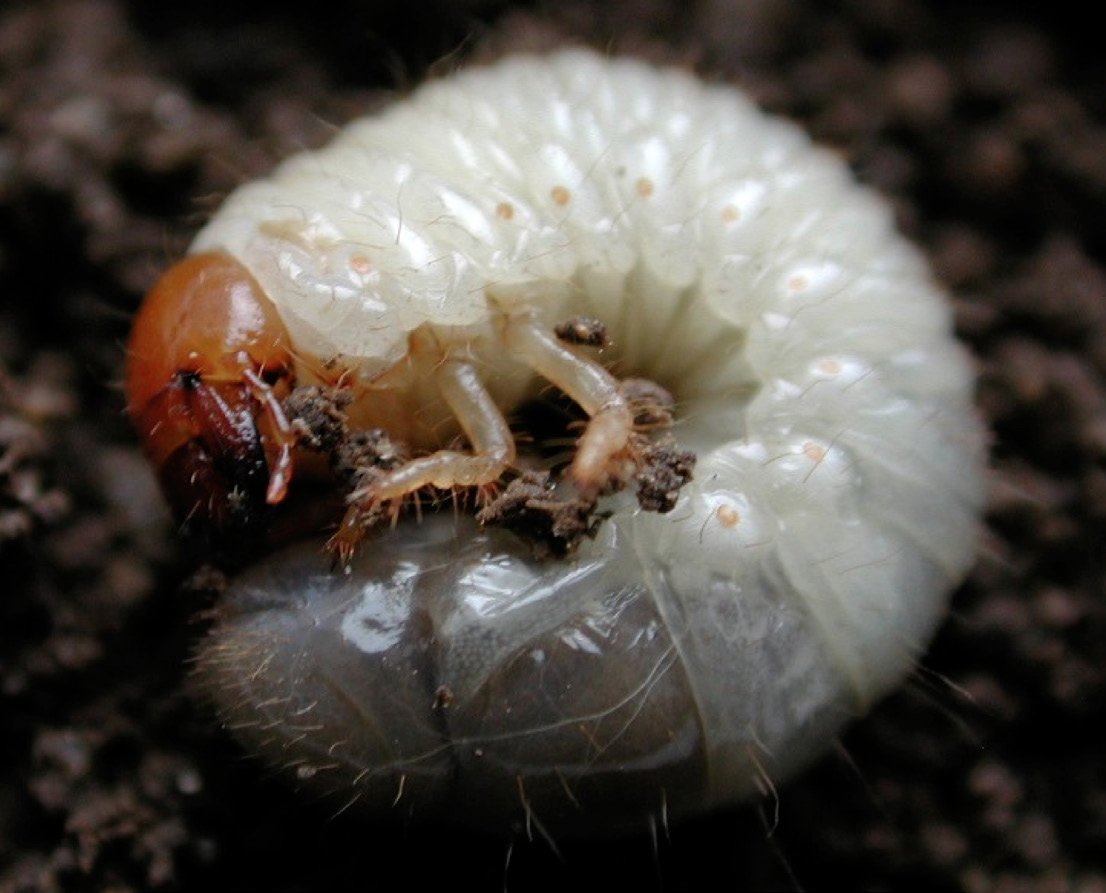
Fig. 3 Immature beetle, photo credit Doug Richmond
Much of this insect’s reputation comes from its tendency to completely devour the leaf tissue and flowers of its host plants, leaving behind only tougher material like leaf veins. Adult feeding damage will appear between June and August, often with beetles congregating in large numbers during severe infestations. When feeding, the beetle will release a sex pheromone, and when combined with the floral scent of damaged host plants, they draw in other beetles, which can result in significant damage occurring very quickly. Feeding by grubs will appear between July and September, dropping off as larvae continue to develop and move deeper into the soil. Larval feeding may not only damage grass but also cultivated plants and potentially impact soil structure and carbon content.
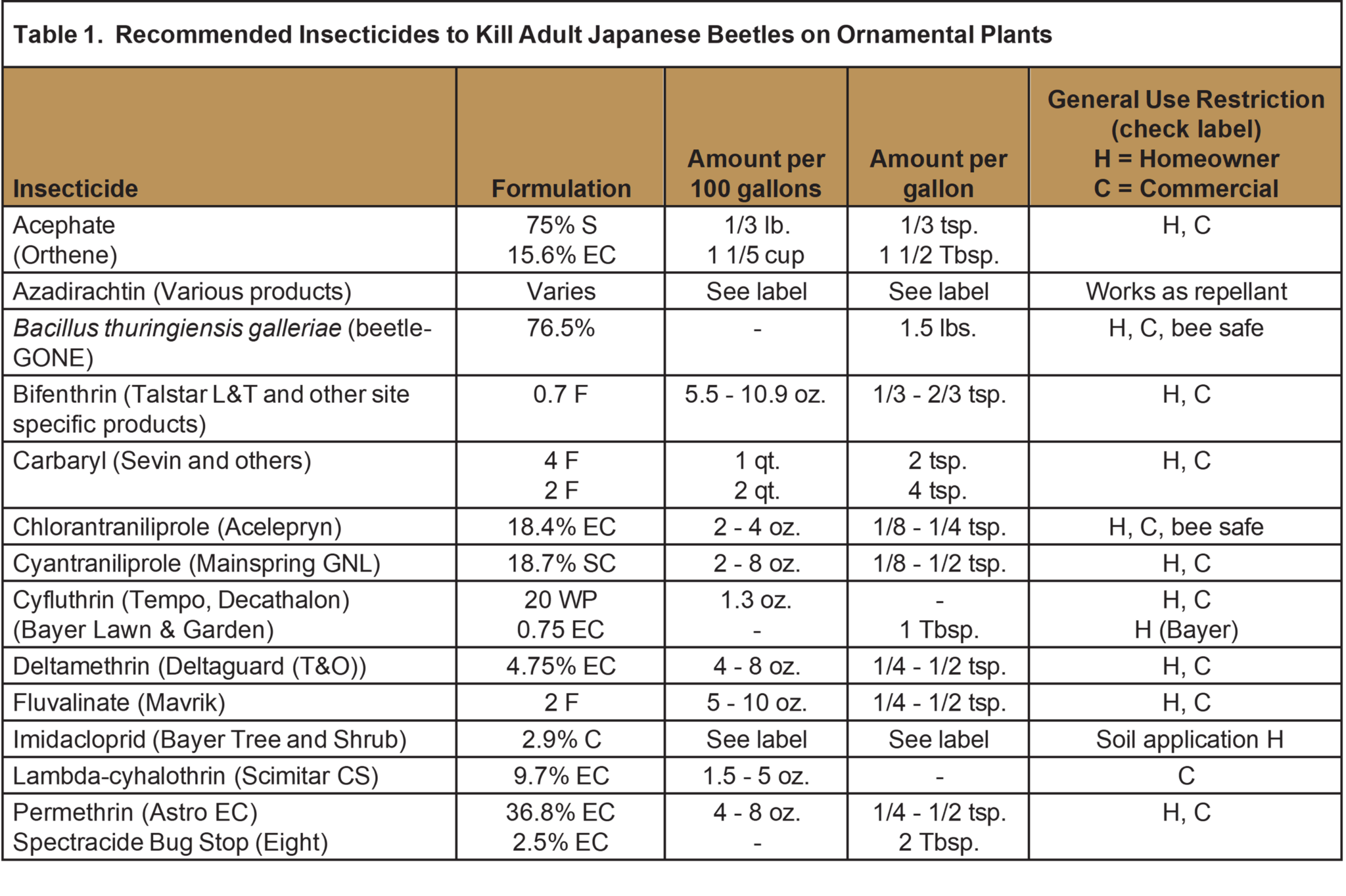
Table 1. Recommended pesticides for treatment of Japanese beetles, E-75-W: Japanese Beetles in the Urban Landscape
There are several options when it comes to managing Japanese beetles, though any plan should be considered a season-long effort, not just as single instance or application. The best recommendation is the use of foliar applications of pesticide (see table), followed by monitoring for beetle presence on host plants. Also, application of products with Azadirachtin will help reduce foliar damage by acting as a repellent if applied during beetle flights. Avoid the use of pheromone-laced beetle bags or traps; while effective at attracting beetles, these traps tend to pull beetles from long distances, resulting in much larger infestations.
Management of grubs is also possible if done early in the larvae’s development. The primary application strategies focus on choosing insecticide formulations appropriate to the size of the grubs, the level of damage to turf, and if the area is also suffering damage due to foraging by predators of the grubs. Preventative efforts can start by choosing the proper grass species, maintaining good mowing practices, and cultivation to remove thatch and maintain irrigation. Purdue Entomology recommends checking out the publication E-271-W “Managing White Grubs in Turfgrass” for the best guidance.
Resources: