Recently, many Hoosiers have been reporting suspected sightings of an invasive spider species known as the jorō spider. This species, scientific name Trichonephilia clavata, is native to Japan, the Koreas, China, Taiwan, India, and Vietnam. The name of the spider is derived from its Japanese name “jorōgumo”. Due to the nature of the Japanese language, this term can have two different meanings based on the kanji they are written with, one meaning “harlot spider” and the other meaning “entangling bride spider”. The name comes from a folktale of a mythical spirit that is half woman, half spider. In reality, this is a common spider species that belongs to a group collectively known as “orb weavers”, named for their ability to create intricate, circular web patterns. Like all spiders, the jorō spider is a predator, using its web to capture any prey unfortunate enough to crawl or fly into it.
The jorō spider was first found in North America in 2014 in the state of Georgia. It is not known how this spider arrived in North America, though it is believed that it most likely arrived on shipping materials and was not intentionally introduced. Female spiders can be readily identified by their bright greenish-yellow banding on the abdomen, black legs with yellow banding, as well as an overall leg span of up to four inches (Fig. 1). Male spiders are much smaller and more drab, only one-third the size of their female counterparts. As mentioned above, jorō spiders create large, circular webbings strung between trees or other standing plants or structures. Webs can reach up to ten feet in length, with some support strands spanning up to 20 feet between trees, poles, and other structures. Like most orb weavers, the webbing will have white patterns throughout, making visibility easier for birds and other organisms to avoid destroying it by accident.
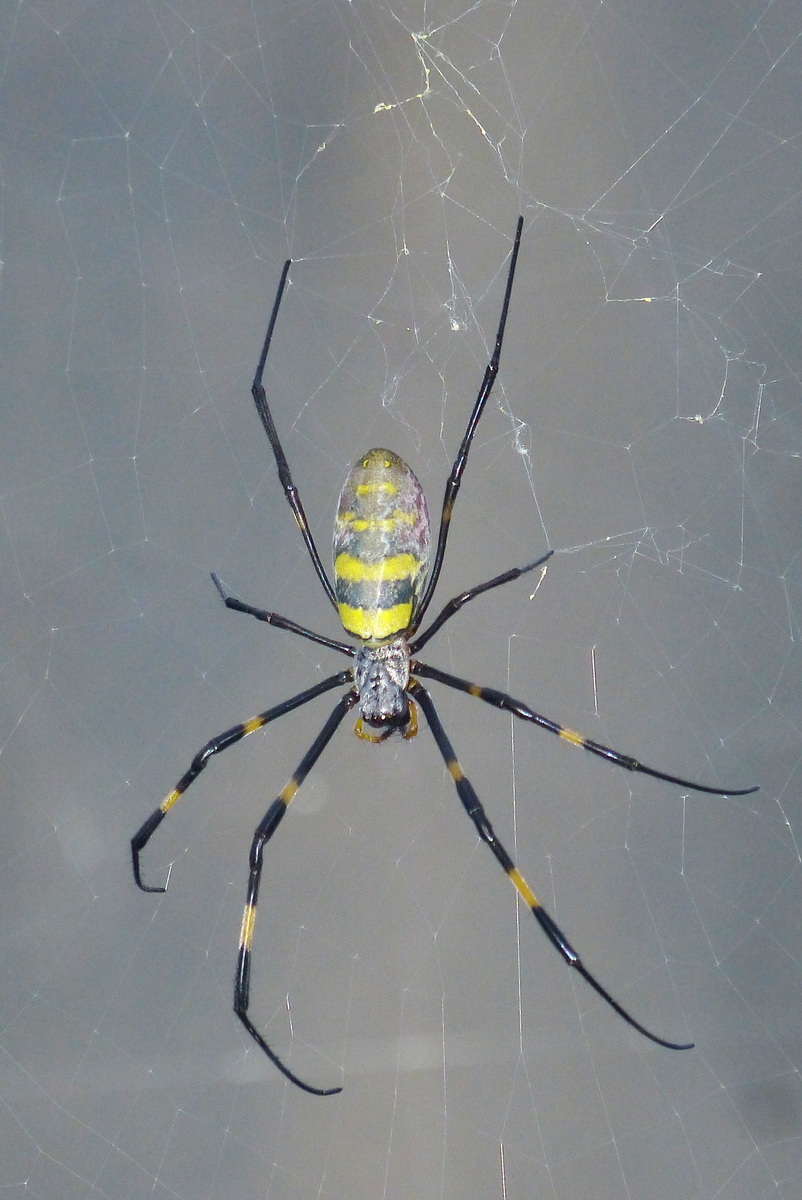
Fig. 1 – female jorō spider (credit: Benoit Segerer, CC BY-NC 4.0 License);
Jorō spiders come from an environment similar enough to our own to be reproductively successful with a life cycle that aligns well with our seasons. This species overwinters as an egg contained within a papery egg sac attached to available surfaces. When they hatch in the spring, spiderlings will use a method of dispersal known as ballooning, where they extend a silk thread easily caught by air currents and get blown to different areas. Since the spiderlings are very small, ballooning can carry them potentially hundreds of miles from their hatching location, making their distribution widespread very quickly. The spiders will develop through the spring and summer seasons with males reaching maturity in August, and females fully maturing through September and October. After mating, male spiders typically die off, either due to reaching the end of their life cycle or by becoming a prey item for the female they mated with. Females will survive as late as November, producing between 400-500 eggs before dying. This species’ total life span covers six to eight months, and only one generation is produced per year.
Jorō spiders occupy an interesting space where they are considered invasive, capable of competing with native species, yet still providing a benefit by preying on pest species that impact gardens, homes, and landscaping. This species will consume a variety of insects, even invasive species such as brown marmorated stink bug. However, a study done by the University of Georgia demonstrated that a majority of jorō spiders would not consume monarch butterflies; in fact, some spiders would even assist the butterflies in getting free from their web. The full impact of this species has yet to be determined, though the potential density of spiderlings ballooning and the webbing could make them nuisance pests depending on the area.
Perhaps one of the greatest challenges in identifying the jorō spider is how much it resembles spiders native to North America. One species, Trichonephilia clavipes, or the golden silk orb-weaver, belongs the same genus as the jorō spider and bears significant physical resemblance to the invader (Fig. 2). However, T. clavipes will tend to build smaller webs (~6 feet) and can lay more than one egg masses within a year. The golden silk orb-weaver is a southern species, seen south of Virginia and into Texas, rather than in the Midwest. Midwesterners do, however, have two species that are easily confused for the jorō spider: Agriope trifasciata, the banded garden spider (Fig. 3), and Agriope aurantia, the yellow garden spider (Fig 4). Both species are orb weavers of significant size, easily drawing the attention of any onlookers. They also make large webs, though nowhere near the size of the webs made by the jorō spider. These spider species are found throughout the contiguous United States, so long as environments are suitable for them. None of these spiders are dangerous to humans, but they are considered beneficial organisms that help control pest organisms near homes and gardens.
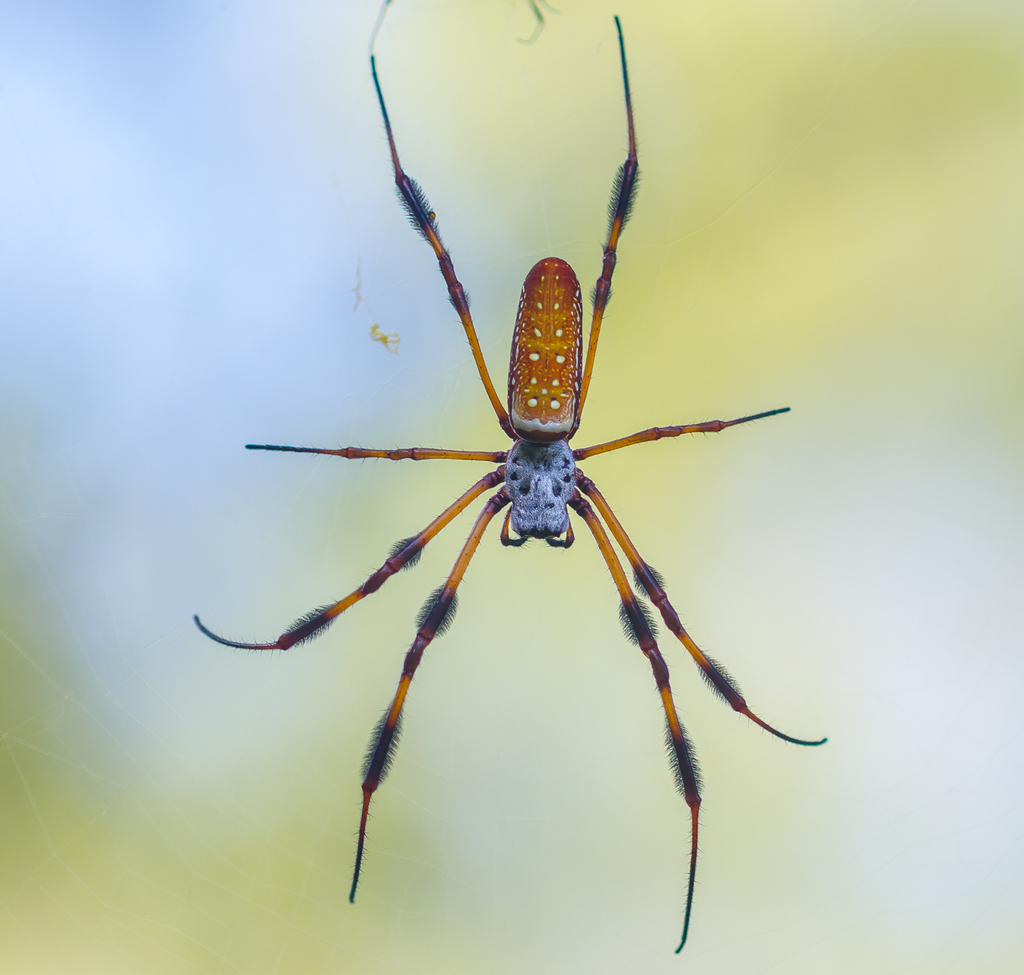
Fig. 2 – female golden silk spider (credit: Damon Williford, CC-BY-NC 4.0 License)
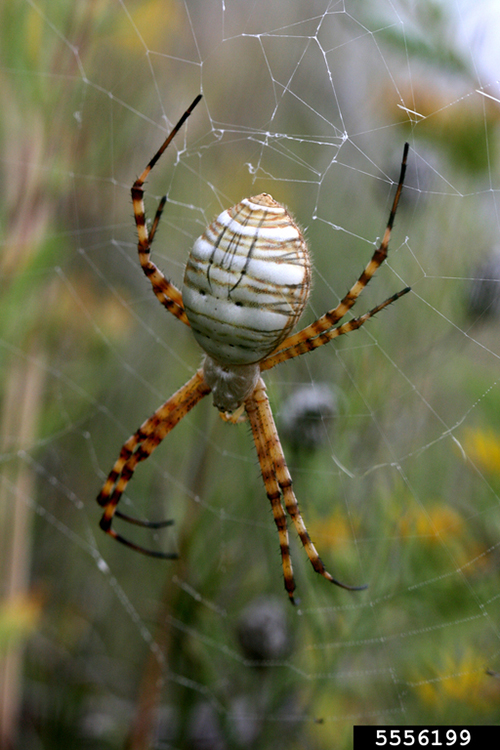
Fig. 3 – banded garden spider (credit: Whitney Crenshaw, CSU, Bugwood.org
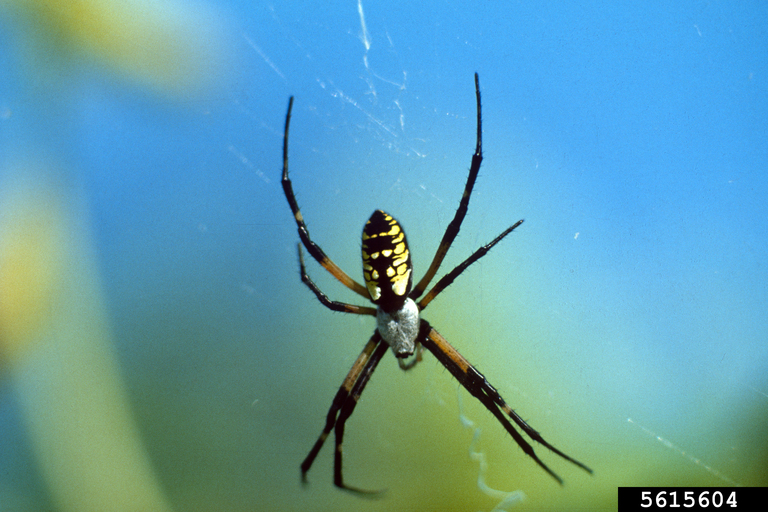
Fig. 4 – yellow garden spider (credit: Joe Culin, Clemson University, Bugwood.org)
In the United States, the known range of the jorō spider covers an area south of the Tennessee Valley that includes portions of Tennessee, Alabama, Mississippi, Georgia, and both North and South Carolina. Some instances of a single spider have been found in states like Oklahoma, but do not include signs of serious population development. Given the capacity for quickly spreading due to ballooning spiderlings, it is possible that the distribution of jorō spider is much larger than currently believed. However, surveys are ongoing to map out where the spider has established. Reporting on the jorō spider runs can be challenging for citizen scientists who typically have very limited knowledge of spiders, especially with so many similar native species. It is important to note that there have been no positive identifications of jorō spider north of Tennessee. While several reports of the spider have been submitted in Indiana, each has been either indeterminate or the misidentification of a native species. This doesn’t mean the spider can’t occur in Indiana, and anyone concerned should continue to report potential invaders.
Resources: